

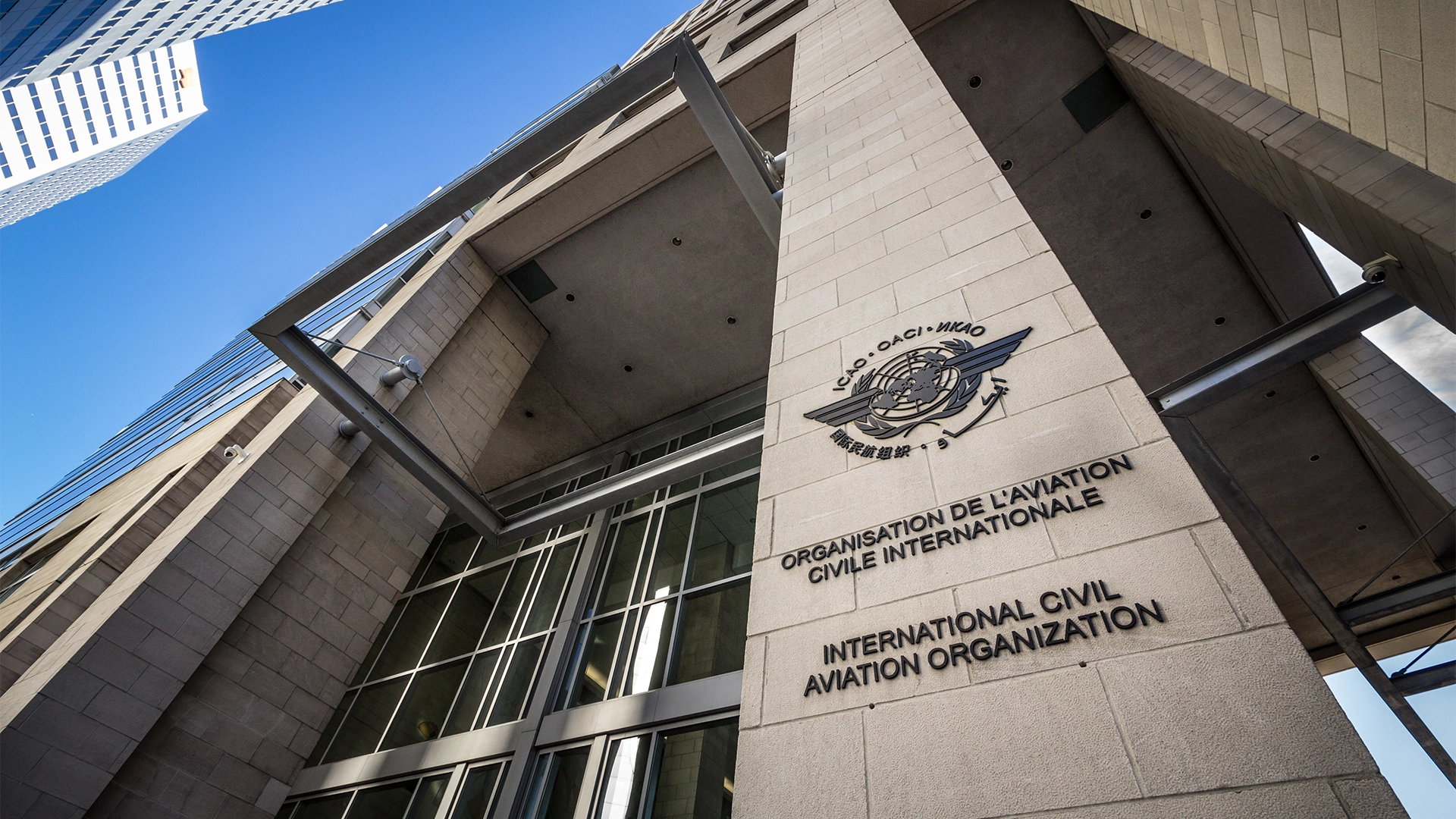
The ICAO global headquarters in Montreal, Canada. Photo Credit: BalkansCat / Shutterstock.com
The International Air Transport Association (IATA) and the International Civil Aviation Organization (ICAO) have pledged to enhance their joint efforts to accelerate the growth and integration of sustainable aviation fuels (SAF). Formally announced during ICAO Aviation Climate Week, the partnership emphasizes building a highly transparent and reliable framework for measuring environmental progress. By leveraging shared data and robust tracking structures, the aviation industry and global regulators intend to securely document greenhouse gas reductions as they work toward achieving a target of net-zero carbon emissions by the year 2050.
A central element of this deepened cooperation involves analyzing how digital tracking systems, such as the IATA SAF Registry, can seamlessly align with international reporting standards. Leaders from both entities highlighted that accurate global accounting systems are vital to verifying actual emissions reductions and sustaining the trust of corporate and environmental stakeholders. Through this unified approach, the organizations plan to refine global monitoring capabilities, providing better visibility into the creation, logistics, and end-use of cleaner energy alternatives across the commercial flight industry.
Sustainable aviation fuel (SAF) is a biofuel used to power aircraft that has similar properties to conventional jet fuel, but with a smaller carbon footprint. SAF, which is made from renewable biomass and waste-based feedstocks, can be used in all existing turbine aircraft, and reduces aviation lifecycle greenhouse gas emissions (GHG) by as much as 80%.